Home Address for Business: A Founder's Guide 2026
Before You Begin: The Weight of Your First Big Decision
Hello there. I'm Y, a business strategist who partners with companies from their very first day to their greatest milestones. In the countless conversations I've had with aspiring entrepreneurs, there's one question that comes up more than any other, a true sticking point right at the start: the business registration address.
Specifically, I hear this all the time, especially from those launching online stores: "I'm thinking of just using my home address to save on costs. Is that really a good idea?" It's a question loaded with more than just financial concerns. I know that beneath the surface, it carries the weight of uncertainty, ambition, and the natural anxieties that come with building something from scratch.
My goal today isn't to give you a simple 'yes' or 'no.' That wouldn't do justice to your unique situation. Instead, I want to explore this topic with you, digging deep into what the best choice is for *you* and how that single line of text on your business license can ripple through the future of your company.
This isn't just a box to tick on a form; it's a strategic decision that shapes your business's identity, credibility, and even your personal peace of mind. So, grab a coffee, and let's walk through this together, step by step.
Your Home Address as a Business HQ: The Law vs. The Reality
First things first, let's clear up the legal side of things to get rid of any confusion. In most countries, the legal definition of a 'place of business' is quite flexible, especially in our digital age.
Tax authorities generally define it as a fixed location where a significant part of your business transactions takes place. For an online store or e-commerce business, where customers aren't physically walking into a shop, your home office—where you manage orders, market your products, and handle customer service—absolutely qualifies as a 'fixed place of business.'
Most government bodies, like the IRS in the US or HMRC in the UK, have adapted their rules to accommodate the boom in home-based businesses, so legally, you're usually in the clear.
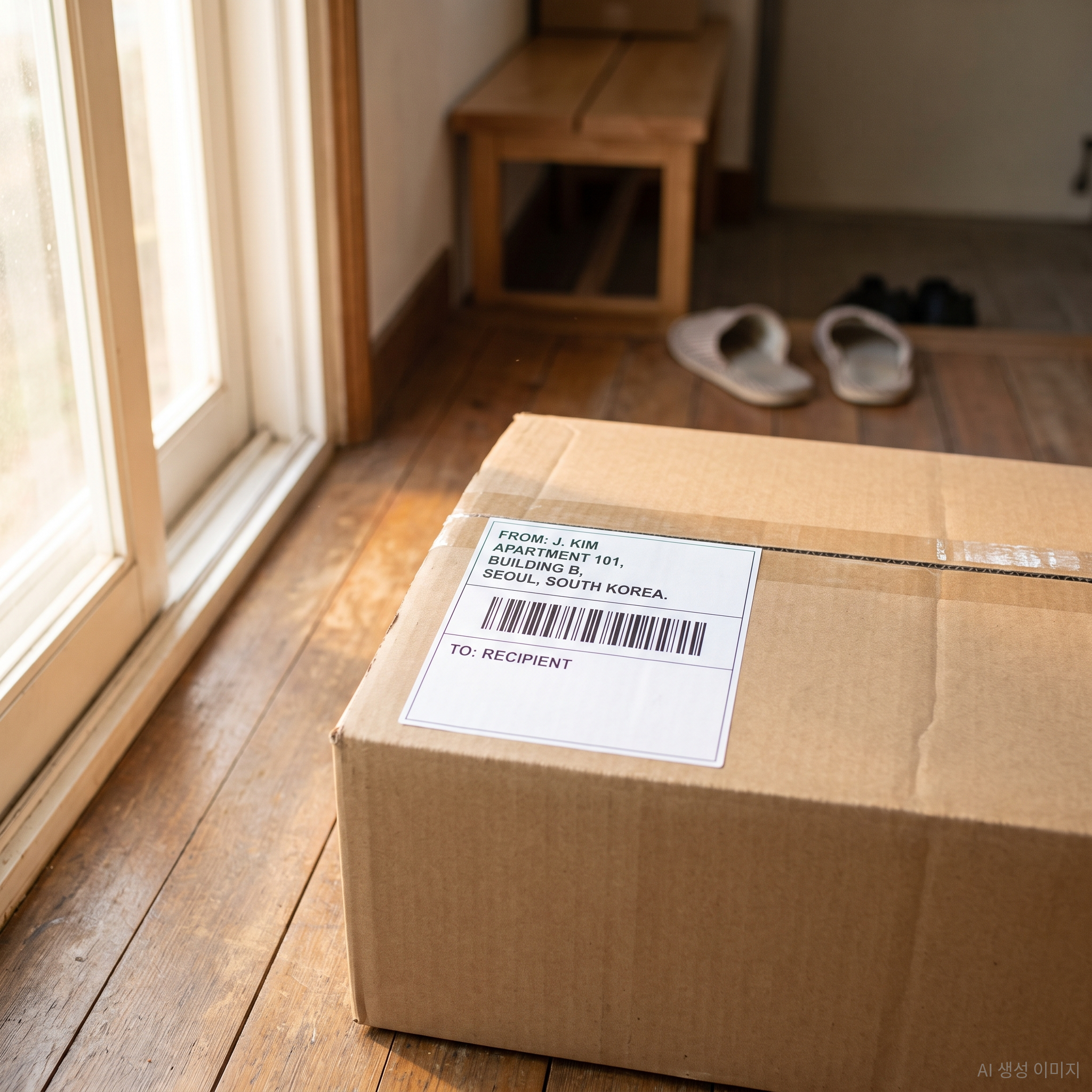
However, the legal green light is only half the story. Here comes the reality check. The address on your business registration certificate isn't a private detail. It becomes public information. It will be printed at the bottom of your website's footer, on the shipping labels of every package you send out, and on every invoice and official document you issue.
This means your personal sanctuary, the place you and your family call home, is broadcast to the world. You have to be prepared for the psychological weight of that. Are you comfortable with strangers knowing where you live? Are you prepared for the possibility, however remote, of an unhappy customer showing up at your front door? This isn't just a minor inconvenience; it's a significant emotional and security consideration that you can't afford to overlook.
Is Your Home the Right Business Base? A Self-Assessment Checklist
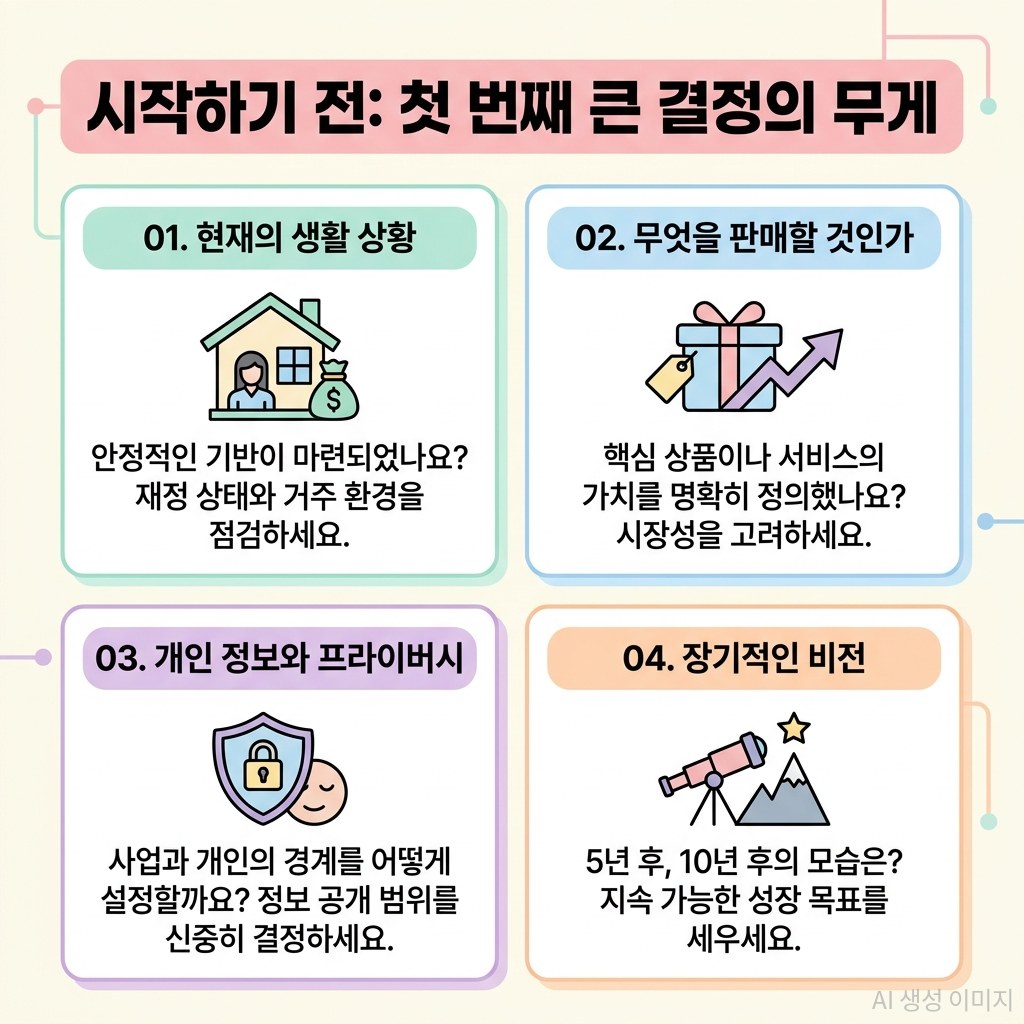
So, how do you make the right call? There's no one-size-fits-all answer. The 'perfect' choice doesn't exist; only the 'optimal' choice for your specific circumstances. To find it, you need to ask yourself some tough questions.
This checklist is designed to be your compass, helping you navigate this decision and set a clear direction for your business. This is particularly relevant for asset-light models like dropshipping or overseas product sourcing, where you don't hold physical inventory, making a home setup more feasible. These models also pair well with revenue streams like Google AdSense, as your focus is on driving web traffic.
What's your living situation? If you own your home, this is straightforward. But if you're renting or leasing, it's a critical hurdle. Pull out your rental agreement and read it carefully. Many leases have clauses that prohibit running a business from the property. Even if it doesn't, you absolutely must get your landlord's written consent beforehand. Registering a business without permission could be a breach of your lease, potentially leading to eviction. It's a serious risk.
What are you selling? The nature of your products is a huge factor. If you're selling digital downloads or dropshipping small items, your home is fine. But if your business requires storing significant inventory, you need to consider space. More importantly, if you're in an industry like food, cosmetics, or health supplements, you'll likely face strict regulations. These fields often require certified facilities for manufacturing, processing, or even just repackaging (slicing and dicing), making a home address a non-starter from a legal and safety standpoint.
How do you feel about your privacy? This requires an honest conversation with yourself and anyone you live with. How sensitive are you and your family to your home address being publicly accessible? It's one thing for you, the founder, to accept the risk, but it's another for your partner, children, or roommates. Discuss it openly. Consider the potential for unwanted mail, unsolicited sales visits, or in a worst-case scenario, harassment. Your family's comfort and security are paramount.
What's your long-term vision? Where do you see this business in one year? Five years? If it's a small side project, a home address might be sufficient forever. But if you have ambitions to grow, hire employees, and build a larger brand, your home address could become a bottleneck. Meeting with potential investors, high-value clients, or even your first hires at your kitchen table can project an unprofessional image.
Choosing a home address now might mean having to go through the hassle of changing it later, which involves updating records with every bank, supplier, and government agency.
When Your Home Won't Work: The Virtual Office and Other Alternatives
As we've touched upon, for many types of businesses, using a home address is simply not an option. Any industry that touches upon public health and safety will have stringent facility requirements. For example, selling health supplements often requires proof of a separate, clean storage facility for registration. The same goes for many types of medical equipment distribution. The rules can be surprisingly specific; even if you're just reselling pre-packaged goods, the category of those goods can determine whether your home is a permissible business address.
When you find yourself in this situation, the most practical and popular alternative is a 'virtual office.' Don't let the name confuse you; it's a very real service. Essentially, you pay a monthly fee to rent a legitimate commercial address for your business registration and mail handling, without leasing any physical office space. This brilliant solution offers several key advantages.
First and foremost, it protects your personal privacy.
Second, having a prestigious business address in a city center can significantly boost your company's credibility and professional image.
However, a word of caution: the quality of virtual office providers varies wildly. Some are little more than mail drops, which can raise red flags during tax audits or when opening a business bank account.
Before signing up, ensure the provider offers tangible services like professional mail forwarding, package handling, and the option to rent a physical meeting room or day office. This proves it's a legitimate commercial operation.
Straight Answers to Your Toughest Questions
Even with all this information, I know you probably have some specific, nagging questions. These are some of the most common ones I hear directly from founders in the trenches.
Q1. If I register my business at home, can I deduct a portion of my rent and utility bills as business expenses?
A. In theory, yes, but in practice, it's incredibly difficult and often not worth the trouble. Most tax systems, like the IRS in the U.S., have a very strict "exclusive and regular use" test. This means you must have a specific area of your home that is used *only* for business. Your kitchen table, which is also used for family meals, doesn't count. You would need a dedicated home office.
Even then, you have to meticulously calculate the percentage of your home's square footage that the office occupies and apply that percentage to your bills. The record-keeping is a headache, and it's a common trigger for audits. Most accountants advise home-based founders to forgo this deduction unless the business-use portion is substantial and easily provable.
Q2. I know the address is on the business registration, but is it exposed anywhere else?
A. Yes, absolutely. In most countries, business registries are public databases. Anyone can look up your company's information online. For e-commerce sellers, there's often a second layer of exposure. Many jurisdictions require online sellers to complete an 'e-commerce business registration' (like the '통신판매업신고' in Korea) which is also publicly searchable on government websites or fair trade commission portals. This record typically lists your business address, official business name, and sometimes even your name as the representative and a contact number. There is no hiding it.
Q3. Will using a home address impact my ability to get a business loan or build business credit?
A. It can. While it's not usually a deal-breaker for very small startups, some lenders and credit agencies view a residential address as a sign of a less established or less serious business. A commercial address, even a virtual one, can lend an air of stability and professionalism. When you start applying for business credit cards, trade credit with suppliers, or your first business loan, every little bit of perceived credibility helps. A commercial address signals that you have a clear separation between your personal and business finances.
Q4. What about insurance? Is my standard homeowner's or renter's policy enough?
A. Almost certainly not. Standard residential insurance policies typically exclude or have very low coverage limits for business-related activities and liabilities. If a client gets injured while visiting your home for a business meeting, your policy likely won't cover it. If your business inventory is damaged in a fire or flood, it won't be covered either. You absolutely need to speak with an insurance agent about getting a separate business liability policy or an endorsement for your existing home policy. Don't skip this step; it could save you from financial ruin.
As you take these first crucial steps in your entrepreneurial journey, I want to leave you with a word of encouragement. From choosing an address to navigating countless future challenges, you will face a constant stream of decisions. My best advice is this: don't rush. Take a breath, consider your long-term goals, and always choose the path that sets you up for sustainable success.
📚 Read the full Korean version on our Naver Blog — with original photos and customer reviews.
📚 Looking for more details? Visit the Tistory version for in-depth notes and search keywords.
📚 Prefer Korean? Check the Google Blogger(Korean) version of this article.


댓글
댓글 쓰기